A political philosopher's reflections on politics, philosophy, science, medicine and law.
"Enlightenment is man's emergence from his self-incurred immaturity" (Immanuel Kant, 1784).
Sunday, August 16, 2009
Short Sleep Gene
The latest issue of Science has this interesting report on how the transcriptional repressor DEC2 regulates sleep length in mammals. Here is the abstract:
Sleep deprivation can impair human health and performance. Habitual total sleep time and homeostatic sleep response to sleep deprivation are quantitative traits in humans. Genetic loci for these traits have been identified in model organisms, but none of these potential animal models have a corresponding human genotype and phenotype. We have identified a mutation in a transcriptional repressor (hDEC2-P385R) that is associated with a human short sleep phenotype. Activity profiles and sleep recordings of transgenic mice carrying this mutation showed increased vigilance time and less sleep time than control mice in a zeitgeber time– and sleep deprivation–dependent manner. These mice represent a model of human sleep homeostasis that provides an opportunity to probe the effect of sleep on human physical and mental health.
Sufficient sleep is necessary for optimal daytime performance and well-being, yet there is a large difference in how much sleep people need, ranging from less than 6 to more than 9 hours. People at all points along this range exhibit no noticeable differences in health and waking performance. Those of us who envy short sleepers would like to reduce sleep duration to the minimum necessary for normal functioning, but do we know what this minimum is? Short sleepers are found in families, as are long sleepers, which suggests a genetic basis for sleep duration. On page 866 of this issue, He et al. (1) add new evidence by showing that a mutation in a transcriptional factor, DEC2, is associated with short sleep in humans and mice.
....Sleep amount, like weight and height, is a quantitative phenotype normally distributed in the population. Total daily sleep duration has an estimated heritability of ~50% in humans and mice, suggesting complex underlying genetics with contributions from numerous genes. But mutations in single genes that yield dramatic effects cannot be excluded.
....The question "How much sleep do we need?" is not only of practical interest for obvious societal reasons, but is also of major importance for understanding sleep function. Recent hypotheses in the field favor a role in memory and/or synaptic plasticity. However, an unbiased approach may turn out to be more efficient. Molecular genetic approaches remain our best hope to find, without a priori assumptions, molecules that regulate the complex phenotype of sleep.
This study suggests that healthy adults may need less sleep as they age. Here is a sample from the blurb about the study on EurekAlert!:
A study in the Feb. 1 issue of the journal SLEEP suggests that healthy older adults without sleep disorders can expect to have a reduced "sleep need" and to be less sleepy during the day than healthy young adults.
Results show that during a night of eight hours in bed, total sleep time decreased significantly and progressively with age. Older adults slept about 20 minutes less than middle-aged adults, who slept 23 minutes less than young adults. The number of awakenings and the amount of time spent awake after initial sleep onset increased significantly with age, and the amount of time spent in deep, slow-wave sleep decreased across age groups. Yet even with these decreases in sleep time, intensity and continuity, older adults displayed less subjective and objective daytime sleep propensity than younger adults.
Furthermore, two additional nights involving experimental disruption of slow-wave sleep led to a similar response in all age groups. Daytime sleep propensity increased, and slow-wave sleep rebounded during a night of recovery sleep. According to the authors, this suggests that the lack of increased daytime sleepiness in the presence of an age-related deterioration in sleep quality cannot be attributed to unresponsiveness to variations in homeostatic sleep pressure. Instead, healthy aging appears to be associated with reductions in the sleep duration and depth required to maintain daytime alertness.
The older I get (I just turned 37) the more I have come to value a good night's sleep. No doubt this is linked to the fact that parenthood makes such a sleep more of a rarity than it once was.
This article in Nature Neuroscience suggests that a good sleep is important for forming new memories. Here is the abstract:
"A deficit in the ability to form new human memories without sleep" Nature Neuroscience - 10, 385 - 392 (2007) Seung-Schik Yoo1, Peter T Hu, Ninad Gujar, Ferenc A Jolesz & Matthew P Walker
Evidence indicates that sleep after learning is critical for the subsequent consolidation of human memory. Whether sleep before learning is equally essential for the initial formation of new memories, however, remains an open question. We report that a single night of sleep deprivation produces a significant deficit in hippocampal activity during episodic memory encoding, resulting in worse subsequent retention. Furthermore, these hippocampal impairments instantiate a different pattern of functional connectivity in basic alertness networks of the brainstem and thalamus. We also find that unique prefrontal regions predict the success of encoding for sleep-deprived individuals relative to those who have slept normally. These results demonstrate that an absence of prior sleep substantially compromises the neural and behavioral capacity for committing new experiences to memory. It therefore appears that sleep before learning is critical in preparing the human brain for next-day memory formation—a worrying finding considering society's increasing erosion of sleep time.
In a few previous posts I have linked to studies on sleep, like this one, this and this.
The latest issue of PLOS Biology has this article entitled "Why We Sleep: The Temporal Organization of Recovery" by Emmanuel Mignot. Here is a sample:
If sleep does not serve an absolutely vital function, then it is the biggest mistake the evolutionary process has ever made,” Allan Rechtschaffen said. Studies of sleep and sleep deprivation suggest that the functions of sleep include recovery at the cellular, network, and endocrine system levels, energy conservation and ecological adaptations, and a role in learning and synaptic plasticity.
....Sleep is as necessary as water and food, yet it is unclear why it is required and maintained by evolution. Recent work suggests multiple roles, a correlation with synaptic plasticity changes in the brain, and widespread changes in gene expression, not unlike what has been recently discovered in circadian biology. Functional data are however still largely lacking, and studies such as functional genomic screens in model organisms, comparative sleep neuroanatomy through phylogeny, and the study of molecular changes within specific wake, REM sleep, and NREM sleep regulatory systems are needed. The resilience of behavioral sleep in evolution and after experimental manipulations may be secondary to the fact that it is grounded at the molecular, cellular, and network levels.
Perspective Essay on Importance of Sleep to Health
The latest issue of the journal Sleep has this Perspective article on the importance of combating sleep deprivation. The abstract:
Chronic sleep deficiency, defined as a state of inadequate or mistimed sleep, is a growing and underappreciated determinant of health status. Sleep deprivation contributes to a number of molecular, immune, and neural changes that play a role in disease development, independent of primary sleep disorders. These changes in biological processes in response to chronic sleep deficiency may serve as etiological factors for the development and exacerbation of cardiovascular and metabolic diseases and, ultimately, a shortened lifespan. Sleep deprivation also results in significant impairments in cognitive and motor performance which increase the risk of motor vehicle crashes and work-related injuries and fatal accidents. The American Academy of Sleep Medicine and the Sleep Research Society have developed this statement to communicate to national health stakeholders the current knowledge which ties sufficient sleep and circadian alignment in adults to health.
How has the COVID pandemic impacted sleep? Not simply the sleep of people who have contracted COVID-19, but also those that did not but whose sleep was impacted by lockdowns, the stress, etc?
This is a significant public health issue. And a new meta-analysis on this topic has just been published. A sample of the findings:
The current systematic review and meta-analysis of 250 studies comprising about half-million participants revealed that during the COVID-19 pandemic, the pooled estimated prevalence of sleep disturbances (including poor sleep quality and insomnia), independent of any covariate, was 40%.
....Patients infected with COVID-19 appeared the most affected by sleep disturbances, with an overall pooled rate of 52%. Children and adolescents were the second most affected group, with an overall rate of sleep disturbances of approximately 46%. Healthcare workers, university students, and special populations had a similar magnitude of the problem, with an overall rate of approximately 41%. The general population appeared the least affected by the pandemic, with an overall prevalence of sleep disturbances of about 36%. Poor sleep quality appeared as the main problem and explained 52% of the variance in the data.
Over the past few months I have been reading chapters from this excellent book, and this has motivated me to write this post on evolution.
Consider the following events from a typical Monday morning.
(1) I wake up. (2) My stomach grumbles with hunger. (3) I walk downstairs to the kitchen.
Now if someone asks me to explain events (1), (2) and (3), I might say something like the following:
"I awoke because my alarm went off. I was hungry because I had not eaten for 8 hours. And I went downstairs to the kitchen because that is where my food is".
Now this kind of explanation makes perfect sense. It focuses on the immediate causes of (1), (2) and (3). And we structure, and make sense of, our world by piecing together information concerning different immediate or proximate causes.
But to return to (1), (2) and (3), we might ask: why do I sleep? Why do I feel hunger pains? And why do I have legs? These are more profound questions, ones that require us to adopt a "big picture" perspective that goes beyond the modes of query typical of making sense of our immediate day-to-day lives.
So when we frame the questions of (1) - (3) in this way we are not looking for a proximate explanation, but rather for "ultimate" or evolutionary explanations.
In Evolution in Health and Disease, the editors describe natural selection as a principle that must hold when certain conditions are present: variation in traits, variation in reproductive success, correlation of trait variation with reproductive success, and inheritance of trait variation.
They provide the useful example of water glasses in an inexpensive furnished apartment that has been repeatedly rented:
They can be explained by natural selection. Some collection of glasses came into the apartment. The fragile ones broke. The attractive ones left when renters departed. The nonfunctional ones with odd shapes were thrown out. What is left is what you find- a collection of sturdy, ugly, functional glasses. (8-9)
And the principle of natural selection provides us with an explanation of the events that unfold every morning of our lives. The events of my mundane Monday morning are in fact the result of endless trade-offs and adaptations that have taken place over millions of years.
We sleep because it aids the recovery of many different system levels (e.g. cellular and network), helps conserve energy, and helps with learning, etc. There are many theories concerning the functions of sleep, but the fact that sleeping is universal among animals suggests that it is very important to survival. Go 24 hours without sleep and you will soon realize how vital sleep is to your ability to function. The amount of sleep needed varies among species. A fruit fly, for example, can sleep up to 12 hours a day.
Why do we feel hunger pains? Well, it helps remind us that we need food, and when severe enough it will fixate our attention solely on the goal of "GETTING FOOD!". This is advantageous because it increases the likelihood that we receive a steady supply of the energy needed to survive and reproduce. A species that requires the diet needed to sustain human life would not survive long if it were not hardwired to satisfy our basic material needs.
And we have legs because they are beneficial for a creature (like us) that lives on land. If we lived in the ocean like clown fish then we wouldn't have legs (or be humans!). And if we shared the evolutionary history of birds we would have wings and feathers and be able to fly (though thanks the the magnificent human brain, we have created machines that now permit us to fly).
And so the trivial events of a regular Monday morning in fact reveal the incredible journey of evolution, and the development of the human species.
Why, you might ask, tell us this tale? Well, the emphasis we place on proximate explanations, well often very useful and appropriate, can also limit our understanding and perceptions of the challenges we face. For if my Monday morning was simply explained by the immediate causes of awakening from my sleep, being hungry and getting my breakfast, we would miss the incredible insights that evolutionary biology can contribute to our understanding of the world and our species. And these include important insights for medicine. In particular, to the aspiration to retard human aging.
To make the link from evolution to medicine, let me tell another story. The story is about Billy and his grandfather William. Billy is your typical 16 year-old boy. He is "girl crazy" and is trying to work up the courage to ask a girl from his class out on a date. Billy spends most of his free time chatting to his friends about girls, lifting weights so he can have more success with his efforts at romance, and he also spends a lot of time worrying about his clothes and hair.
Billy's grandfather, William, is 76 years-old. He has a variety of hobbies- he likes to paint and play chest, he volunteers and spends time with his grandchildren. But recently William has become increasingly more concerned about his limited mobility and chronic joint and muscle pain. Furthermore, he was recently diagnosed with high blood pressure and is at risk for a variety of other ailments. And thus his doctor has recommended he take a daily dose of medications to ease his pain and reduce the risks of more serious problems.
Billy and William are your typical 16 and 76 year-old. And yet there is an important link between Billy's obsession with girls and his grandfather's failing health. Evolutionary biology explains why Billy and his grandfather are in the situations they are in. The force of natural selection is set by the age at which reproduction first occurs in a population. And thus the surge in Billy's testosterone levels and overall gonadal function, and William's chronic health problems, reflect the trade offs that have been made between reproduction and survival. Historically, very few humans lived to the age of William, and thus investing in repairing damage late in life would not improve the success of reproduction. Furthermore, investing scarce resources in long-term repair would be inefficient and potentially wasteful. This is known as Kirkwood's "disposable soma" thesis- aging occurs because natural selection favors a strategy in which organisms invest fewer resources in the maintenance of somatic cells and tissues that are necessary for indefinite survival of the individual.
Henry Ford sent one of his engineers to a scrapyard to find out which parts of defunct Model T’s still had some usable life left. When the engineer reported back with a list of the durable parts, Ford instructed his engineers and suppliers not to make those parts so good that they outlasted the rest of the car. This strategy culminated in “planned obsolescence”, an ugly tradition in American manufacturing.... Evolution is regrettably similar. (91)
Should we treat the trade-off between survival and reproduction that happens to exist at this stage in the evolutionary history of humans with deference? A trade-off that has been shaped by natural selection and the extrinsic risks that once permeated the world, and yet one that will bring disease to an unprecedented number of humans living in this century? The answer is clearly “No”. We should search for safe and effective ways of modifying the biological processes of aging, so that people can expect to live more healthy lives. Utilizing the insights of evolutionary biology, biogerontologists are now searching for ways to modify the biological processes of aging. But many people fail to understand the importance of this research because they only understand the proximate, rather than ultimate, causes of disease. To fixate only on proximate causes limits our understanding of the things that cause disease. We only look at the immediate causes- like smoking, diet, particular genes, etc. But we must also aspire to grasp "the big picture", and Darwinian medicine helps us do this.
Those who embrace the aging "status quo" must square this with other elements on the "evolutionary status quo". Take our immune system. Do we favor the immunity "status quo"? No. For if we did, we should abandon immunizations and return to the high rate of child-mortality that existed in the past. But should we not strive to also reduce late-life morbidity and mortality? The aged do not deserve disease or death. Indeed, we already aspire to aid the aged, which is why we fund cancer research, AD research, etc. So why not fund research that might permit us to delay all age-related afflictions?
And lastly, think about human emotions, and happiness. Should we accept our evolved natures, with all their virtues and vices? The editors of Evolution in Health and Disease make this excellent point:
We did not evolve to be happy: rather we evolved to be happy, sad, miserable, angry, anxious, and depressed, as the mood takes us. We evolved to love and to hate, and to care and be callous. Our emotions are the carrots and sticks that our genes use to persuade us to achieve their ends. But their ends need not be our ends. Goodness and happiness may be goals attainable only by hoodwinking our genes. (13)
So evolution offers many profound insights that have important implications for medicine, as well as moral and political philosophy. Once we give attention to both the proximate and ultimate causes of morbidity and mortality, our aging blinders will be discarded. Our perception of the greatest challenges facing humanity this century will change. And the things we perceive to be obstacles to promoting public health will also change. Ignorance and irrationality are among the greatest threats to public health this century. And so we should think of strategies for reducing their prevalence.
Over the past few months I have been reading chapters from this excellent book, and this has motivated me to write this post on evolution.
Consider the following events from a typical Monday morning.
(1) I wake up. (2) My stomach grumbles with hunger. (3) I walk downstairs to the kitchen.
Now if someone asks me to explain events (1), (2) and (3), I might say something like the following:
"I awoke because my alarm went off. I was hungry because I had not eaten for 8 hours. And I went downstairs to the kitchen because that is where my food is".
Now this kind of explanation makes perfect sense. It focuses on the immediate causes of (1), (2) and (3). And we structure, and make sense of, our world by piecing together information concerning different immediate or proximate causes.
But to return to (1), (2) and (3), we might ask: why do I sleep? Why do I feel hunger pains? And why do I have legs? These are more profound questions, ones that require us to adopt a "big picture" perspective that goes beyond the modes of query typical of making sense of our immediate day-to-day lives.
So when we frame the questions of (1) - (3) in this way we are not looking for a proximate explanation, but rather for "ultimate" or evolutionary explanations.
In Evolution in Health and Disease, the editors describe natural selection as a principle that must hold when certain conditions are present: variation in traits, variation in reproductive success, correlation of trait variation with reproductive success, and inheritance of trait variation.
They provide the useful example of water glasses in an inexpensive furnished apartment that has been repeatedly rented:
They can be explained by natural selection. Some collection of glasses came into the apartment. The fragile ones broke. The attractive ones left when renters departed. The nonfunctional ones with odd shapes were thrown out. What is left is what you find- a collection of sturdy, ugly, functional glasses. (8-9)
And the principle of natural selection provides us with an explanation of the events that unfold every morning of our lives. The events of my mundane Monday morning are in fact the result of endless trade-offs and adaptations that have taken place over billions of years.
We sleep because it aids the recovery of many different system levels (e.g. cellular and network), helps conserve energy, and helps with learning, etc. There are many theories concerning the functions of sleep, but the fact that sleeping is universal among animals suggests that it is very important to survival. Go 24 hours without sleep and you will soon realize how vital sleep is to your ability to function. The amount of sleep needed varies among species. A fruit fly, for example, can sleep up to 12 hours a day.
Why do we feel hunger pains? Well, it helps remind us that we need food, and when severe enough it will fixate our attention solely on the goal of "GETTING FOOD!". This is advantageous because it increases the likelihood that we receive a steady supply of the energy needed to survive and reproduce. A species that requires the diet needed to sustain human life would not survive long if it were not hardwired to satisfy our basic material needs.
And we have legs because they are beneficial for a creature (like us) that lives on land. If we lived in the ocean like clown fish then we wouldn't have legs (or be humans!). And if we shared the evolutionary history of birds we would have wings and feathers and be able to fly (though thanks the the magnificent human brain, we have created machines that now permit us to fly).
And so the trivial events of a regular Monday morning in fact reveal the incredible journey of evolution, and the development of the human species.
Why, you might ask, tell us this tale? Well, the emphasis we place on proximate explanations, well often very useful and appropriate, can also limit our understanding and perceptions of the challenges we face. For if my Monday morning was simply explained by the immediate causes of awakening from my sleep, being hungry and getting my breakfast, we would miss the incredible insights that evolutionary biology can contribute to our understanding of the world and our species. And these include important insights for medicine. In particular, to the aspiration to retard human aging.
To make the link from evolution to medicine, let me tell another story. The story is about Billy and his grandfather William. Billy is your typical 16 year-old boy. He is "girl crazy" and is trying to work up the courage to ask a girl from his class out on a date. Billy spends most of his free time chatting to his friends about girls, lifting weights so he can have more success with his efforts at romance, and he also spends a lot of time worrying about his clothes and hair.
Billy's grandfather, William, is 76 years-old. He has a variety of hobbies- he likes to paint and play chest, he volunteers and spends time with his grandchildren. But recently William has become increasingly more concerned about his limited mobility and chronic joint and muscle pain. Furthermore, he was recently diagnosed with high blood pressure and is at risk for a variety of other ailments. And thus his doctor has recommended he take a daily dose of medications to ease his pain and reduce the risks of more serious problems.
Billy and William are your typical 16 and 76 year-old. And yet there is an important link between Billy's obsession with girls and his grandfather's failing health. Evolutionary biology explains why Billy and his grandfather are in the situations they are in. The force of natural selection is set by the age at which reproduction first occurs in a population. And thus the surge in Billy's testosterone levels and overall gonadal function, and Williams chronic health problems, reflect the trade offs that have been made between reproduction and survival. Historically, very few humans lived to the age of William, and thus investing in repairing damage late in life would not improve the success of reproduction. Furthermore, investing scarce resources in long-term repair would be inefficient and potentially wasteful. This is known as Kirkwood's "disposable soma" thesis- aging occurs because natural selection favors a strategy in which organisms invest fewer resources in the maintenance of somatic cells and tissues that are necessary for indefinite survival of the individual.
Henry Ford sent one of his engineers to a scrapyard to find out which parts of defunct Model T’s still had some usable life left. When the engineer reported back with a list of the durable parts, Ford instructed his engineers and suppliers not to make those parts so good that they outlasted the rest of the car. This strategy culminated in “planned obsolescence”, an ugly tradition in American manufacturing.... Evolution is regrettably similar. (91)
Should we treat the trade-off between survival and reproduction that happens to exist at this stage in the evolutionary history of humans with deference? A trade-off that has been shaped by natural selection and the extrinsic risks that once permeated the world, and yet one that will bring disease to an unprecedented number of humans living in this century? The answer is clearly “No”. We should search for safe and effective ways of modifying the biological processes of aging, so that people can expect to live more healthy lives. Utilizing the insights of evolutionary biology, biogerontologists are now searching for ways to modify the biological processes of aging. But many people fail to understand the importance of this research because they only understand the proximate, rather than ultimate, causes of disease. To fixate only on proximate causes limits our understanding of the things that cause disease. We only look at the immediate causes- like smoking, diet, particular genes, etc. But we must also aspire to grasp "the big picture", and Darwinian medicine helps us do this.
Those who embrace the aging "status quo" must square this with other elements on the "evolutionary status quo". Take our immune system. Do we favor the immunity "status quo"? No. For if we did, we should abandon immunizations and return to the high rate of child-mortality that existed in the past. Should we not strive to also reduce late-life morbidity and mortality? Do aged individuals not deserve protection from these harms? Indeed, we already aspire for these things, which is why we fund cancer research, AD, etc. So why not fund research that might permit us to delay all age-related afflictions?
And lastly, think about human emotions, and happiness. Should we just accept our evolved natures, with all their virtues and vices? The editors of Evolution in Health and Disease make this excellent point:
We did not evolve to be happy: rather we evolved to be happy, sad, miserable, angry, anxious, and depressed, as the mood takes us. We evolved to love and to hate, and to care and be callous. Our emotions are the carrots and sticks that our genes use to persuade us to achieve their ends. But their ends need not be our ends. Goodness and happiness may be goals attainable only by hoodwinking our genes. (13)
So evolution offers many profound insights that have important implications for medicine, as well as moral and political philosophy. Once we give attention to both the proximate and ultimate causes of morbidity and mortality, our aging blinders will be discarded. Our perception of the greatest challenges facing humanity this century will change. And the things we perceive to be obstacles to promoting public health will also change. Ignorance and irrationality are among the greatest threats to public health this century. And so we should think of strategies for reducing their prevalence.
Nature news has a nice item on the latest from the science of sleep. I would place the science of sleep on my top 5 areas of science to follow, behind science on aging, play, personality traits and happiness. A sample from the news item:
This timekeeping machinery ensures that physiological systems are primed to do the right things at the right times — such as defend against pathogens, digest food and sleep. But circadian clocks don’t cycle precisely on their own. To stay in sync and function optimally, they need regular calibration from sunlight, daily routines and other cues.
Modern life doesn’t often cooperate. People spend much of their time indoors. They eat late into the night. They shift sleep schedules between workdays and weekends, effectively jet-lagging themselves. The toll is steep. In the short term, circadian disruption and insufficient sleep can reduce cognition, mood and reaction time. In the long term, they can increase risks of infections, diabetes, depression, dementia, cancer, heart disease and premature death.
For better sleep and overall health, McHill and other scientists emphasize three basics: contrasting light and dark, consolidating mealtimes and keeping sleep times consistent. “Simply taking a walk outside during the day and reducing our light exposure in the evening could have great effect,” says McHill.
In some previous posts I linked to recent studies on the importance of a good night's sleep in forming new memories and in reducing the risks of obesity and cancer.
The latest issue of Nature Neuroscience has an article by Vyazovskiy et. al entitled "Molecular and electrophysiological evidence for net synaptic potentiation in wake and depression in sleep". The journal's News and Views piece helps describe the significance of the findings. Here is a sample:
How and why do we spend a third of our lives asleep, and why do even fruit flies do it? Although we have all experienced the poor performance that accompanies inadequate sleep, many aspects of sleep remain mysterious, or at the very least controversial. In this issue, Vyazovskiy et al. provide support for a synaptic view of sleep: namely, that it serves to enforce global homeostatic control of synapse strength, correcting the imbalances created during wakefulness.
...The concept of homeostasis, maintaining a system at a particular set point using feedback modulation, is an old one. More recently, the idea that neurons and neural networks exhibit homeostatic regulation has become an important partner to Hebbian learning rules. Homeostatic plasticity can take many forms, with the regulated set point involving relative synaptic strength, neuronal excitability and/or firing rate. It can also be expressed either pre- or postsynaptically. This broad view of homeostatic plasticity is relevant to the main thrust of the study by Vyazovskiy et al., which shows consistent correlations between molecular and electrophysiological markers of synaptic strength during the early phases of sleep and in wakefulness. Wakefulness increases net potentiation, which is then reduced during recovery sleep. This ensures that the potentiation process can begin anew during the next wake episode.
The latest issue of Science has this interesting study on how sleep-wake regulation impacts cognition. Here is the abstract:
Throughout the day, cognitive performance is under the combined influence of circadian processes and homeostatic sleep pressure. Some people perform best in the morning, whereas others are more alert in the evening. These chronotypes provide a unique way to study the effects of sleep-wake regulation on the cerebral mechanisms supporting cognition. Using functional magnetic resonance imaging in extreme chronotypes, we found that maintaining attention in the evening was associated with higher activity in evening than morning chronotypes in a region of the locus coeruleus and in a suprachiasmatic area (SCA) including the circadian master clock. Activity in the SCA decreased with increasing homeostatic sleep pressure. This result shows the direct influence of the homeostatic and circadian interaction on the neural activity underpinning human behavior.
And today's Globe has this report on the study. A sample:
Smug early birds take note: Night owls actually have more mental stamina than those who awaken at the crack of dawn, according to new research.
“It's the late risers who have the advantage, and can outperform the early birds,” said Philippe Peigneux, a professor of clinical neuropsychology at the Free University of Brussels in Belgium, who along with co-author Christina Schmidt published the counterintuitive findings in the latest issue of the journal Science.
....The study measured the part of the brain that is home to the circadian master clock that operates according to a day-night cycle. Sleep pressure dampens the circadian signal, and activity in this area decreases the longer the person is awake. The night owls were more resistant to sleep pressure.
Genetics dictate whether someone is a morning person, Prof. Peigneux said, adding that most people are “neutral.” But 15 per cent of the population is an “extreme” early morning or late riser; and another 15 per cent are “moderately evening or morning types.”
Those following this blog will know I have an interest in sleep (see here). Some might think this is a bizarre interest to have. But I don't think it is when one considers the fact that we spend approximately 1/3 of our lives sleeping. Why do we sleep? And how do our sleeping habits impact our health (for better or worse)? I think these are fascinating questions.
I came across two new sleep studies to add to my growing collection. Do you feel tired? Do you have a cold? Well this study in the Archives of Internal Medicine suggests that it is possible that sleep plays a causal role in cold susceptibility.
And what, you might also wonder, are the economic burdens of insomnia? The latest issue of the journal Sleep has this study which finds:
The total annual cost of insomnia in the province of Quebec was estimated at $6.6 billion (Cdn$). This includes direct costs associated with insomnia-motivated health-care consultations ($191.2 million) and transportation for these consultations ($36.6 million), prescription medications ($16.5 million), over the-counter products ($1.8 million) and alcohol used as a sleep aid ($339.8 million). Annual indirect costs associated with insomnia-related absenteeism were estimated at $970.6 million, with insomnia-related productivity losses estimated at $5.0 billion. The average annual per-person costs (direct and indirect combined) were $5,010 for individuals with insomnia syndrome, $1,431 for individuals presenting with symptoms, and $421 for good sleepers.
This study suggests that the economic burden of insomnia is very high, with the largest proportion of all expenses (76%) attributable to insomnia-related work absences and reduced productivity. As the economic burden of untreated insomnia is much higher than that of treating insomnia, future clinical trials should evaluate the cost-benefits, cost-utility, and cost-effectiveness of insomnia therapies.
Two topics that regularly appear on my blog are sleep and aging. So I thought it was appropriate to post about this study which intersects the two topics. Light stimulus might help the elderly sleep. Here is the abstract:
Light treatment has been used as a non-pharmacological tool to help mitigate poor sleep quality frequently found in older people. In order to increase compliance to non-pharmacological light treatments, new, more efficacious light-delivery systems need to be developed. A prototype personal light-treatment device equipped with low brightness blue light-emitting diodes (LEDs) (peak wavelength near 470 nm) was tested for its effectiveness in suppressing nocturnal melatonin, a measure of circadian stimulation. Two levels of corneal irradiance were set to deliver two prescribed doses of circadian light exposure. Eleven older subjects, between 51 and 80 yrs of age who met the selection criteria, were exposed to a high and a low level of light for 90 min on separate nights from the personal light-treatment device. Blood and saliva samples were collected at prescribed times for subsequent melatonin assay. After 1 h of light exposure, the light-induced nocturnal melatonin suppression level was about 35% for the low-light level and about 60% for the high-light level. The higher level of blue light suppressed melatonin more quickly, to a greater extent over the course of the 90 min exposure period, and maintained suppression after 60 min. The constant exposure of the low-light level resulted in a decrease in nocturnal melatonin suppression for the last sampling time, whereas for the high-light level, suppression continued throughout the entire exposure period. The present study performed with healthy adults suggests that the tested personal light-treatment device might be a practical, comfortable, and effective way to deliver light treatment to those suffering from circadian sleep disorders; however, the acceptance and effectiveness of personal light-treatment devices by older people and by other segments of the population suffering from sleep disorders in a real-life situation need to be directly tested.
More details about the research can be found here.
Back in March I linked to this study which suggested that a good night's sleep is important for forming new memories. Well, two further studies published this month show the stakes are even higher. The first report is "Carcinogenicity of shift-work, painting, and fire-fighting" in the latest issue of Lancet Oncology. Anyone who has worked shifts (which I did for a couple of summers when I worked in a steel factory) will know that if can wreak havoc on one's life (from sleep and eating habits to social life). This report from researchers at the International Agency for Research on Cancer suggests that shift work can also increase risk of cancer. Here is a sample:
About 15–20% of the working population in Europe and the USA is engaged in shift-work that involves nightwork, which is most prevalent (above 30%) in the health-care, industrial manufacturing, mining, transport, communication, leisure, and hospitality sectors. Among the many different patterns of shiftwork, those including nightwork are the most disruptive for the circadian clock.
Six of eight epidemiological studies from various geographical regions, most notably two independent cohort studies of nurses engaged in shiftwork at night, have noted a modestly increased risk of breast cancer in long-term employees compared with those who are not engaged in shiftwork at night. These studies are limited by potential confounding and inconsistent definitions of shiftwork, with several focused on a single profession. The incidence of breast cancer was also modestly increased in most cohorts of female flight attendants, who also experience circadian disruption by frequently crossing time zones. Limitations of studies in these flight attendants include the potential for detection bias, proxy measures of exposure, and potential uncontrolled confounding by reproductive factors and cosmic radiation.
Several different rodent models have been used to test the effect of disruption of the circadian system on tumour development. More than 20 studies investigated the effect of constant light, dim light at night, simulated chronic jet lag, or circadian timing of carcinogens, and most showed a major increase in tumour incidence. No clear effect was seen for light pulses at night or constant darkness. A similar number of studies investigated the effect of reduced nocturnal melatonin concentrations or removal of the pineal gland (where melatonin is produced) in tumour development and most showed increases in the incidence or growth of tumours.
And the latest issue of American Journal of Epidemiology has an interesting study entitled "Do Childhood Sleeping Problems Predict Obesity in Young Adulthood? Evidence from a Prospective Birth Cohort Study". Here is the abstract:
It has been suggested that sleeping problems are causally associated with obesity in early life, but most studies examining this association have been cross-sectional. The authors used a population-based birth cohort of 2,494 children who were born between 1981 and 1983 in Brisbane, Australia, to examine the prospective association between early-life sleeping problems (at ages 6 months and 2–4 years) and obesity at age 21 years. The authors compared mean body mass indices (BMIs; weight (kg)/height (m)2) and persons in the categories of overweight (BMI 25.0–29.9) and obesity (BMI 30) among offspring at age 21 years according to maternally reported childhood sleeping problems. They found that young adult BMI and the prevalence of obesity were greater in offspring who had had sleeping problems at ages 2–4 years than in with those who had not had sleeping problems. These associations were robust to adjustment for a variety of potential confounders, including offspring sex, maternal mental health, and BMI, and several mediators, including adolescent dietary patterns and television-watching. These findings provide some evidence for a long-term impact of childhood sleeping problems on the later development of obesity.
Eurekalert has this news item on a new study of lifestyle and depression risk in nearly 300 000 people. A sample of the study's main findings:
…the team was able to identify seven healthy
lifestyle factors linked with a lower risk of depression. These were:
moderate alcohol consumption
healthy diet
regular physical activity
healthy sleep
never smoking
low-to-moderate sedentary behaviour
frequent social connection
Of all of these factors, having a good night’s
sleep – between seven and nine hours a night – made the biggest difference,
reducing the risk of depression, including single depressive episodes and
treatment-resistant depression, by 22%.
Frequent social connection, which in general
reduced the risk of depression by 18%, was the most protective against
recurrent depressive disorder.
I am doing some serious research on exercise-- its health benefits, adverse side effects and compliance rate. This got me thinking about my own relationship with exercise, especially weight training. So I thought I would write up some personal reflections here.
Growing up exercise and sports was always an intricate part of my childhood. My father was an Olympic athlete (race walking, 1976), and my childhood was consumed by exercise and sports. I played in a soccer league from ages 8-14, bowling league around age 6-7. cross-country running ages 8-12. In the summer months I use to attend an all day sports camp, where kids choose two sports- one for the morning and one for the afternoon. My sports were track and field and soccer. The camp would begin with a 2 mile run, then I had track and field, lunch and then soccer. Once I got home I would have dinner and then my parents would take me to my soccer game for my league. Basically I was running for the whole day! I suspect that was my parents way of tiring me out, as I certainly was exhausted by the end of the day. I still run (or cycle, depending on the weather) 4-5 days a week, cross-country ski and play in a league for beach volleyball.
But without a doubt the most impactful form of exercise on me over my lifetime has been weight training, which I started at age 14. When I started high school I weighed only 98 lbs, I was very thin. I was also fascinated with the world of bodybuilding. My older brother and I would collect issues of Muscle & Fitness magazine and idolize the Mr. Olympia winners.
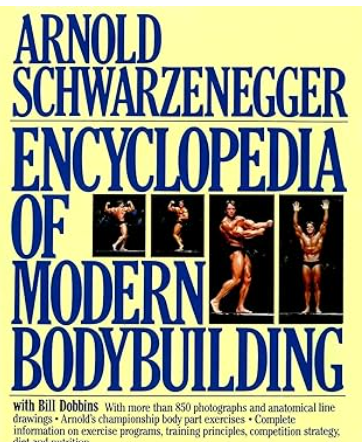
And I had an old pamphlet by Arnold that served as my workout bible from the first few years, and then this larger book came out:
With very few exceptions (e.g. illness or recovering from surgery), for the past 40+ years I have done weight training 5 days every week. A weight workout, for me, is 30 minutes of intense lifting and I have followed the same regime for 4 decades:
Day 1: chest, shoulders and biceps
Day 2: back, triceps and legs
I don't really socialize at the gym, I go there to workout and then leave. This makes it viable for me to be consistent.
When I think back to the skinny teen I was when I started weight training the initial motivation was probably a desire to transform the way I looked. But after a few years of consistent weight training it became so much more. Now, weight training for me is:
(1) my religion
(2) my cognitive enhancement and
(3) my mood enhancement.
I say weight training is "my religion" as it is a near daily practice, something that starts and orients the rest of the day. I do not consciously say to myself, "should I go to the gym today?" If it is a gym day I get up and just go. There is no perceivable "volition". Typically I follow 2 days on, off day off, but it can vary depending on other factors like work/family. As a daily practice for many decades weight training provides tranquility in my life. When circumstances arise that disrupt my workout schedule, like recovering from injuries or gym closures during COVID, this has a major disruptive impact on me. But I do have a home gym, so really only injury, illness or travel disrupts my workout routine.
Weight training has also served as a "cognitive enhancement" for me, and I say this for two reasons. Firstly, I am very fortunate that, now in my mid-50s, I have retained what I at least perceive to be a high level of concentration and appetite for research and writing. I have spoken to many other people around my age who complain that either these things are not at the levels they use to be when younger, or that they never were particularly high to begin with. The only thing I am aware that has changed for me is that can not work effectively in the evenings. Trying to just proof read an article, let alone do the creative aspects of writing, is not something I would undertake after 9pm. My brain is getting ready for sleep. The younger me had a different sleep pattern. But that is the only cognitive change I am aware of.
Ample empirical research has demonstrated different cognitive benefits from exercise, such as improved neuroplasticity. All I know is that after I have subjected my body to 30 minutes of intense weight training it is like my mind is waiting and welcoming of me. When I sit down to write after exercise my brain says "Ah, welcome back!". And the ideas and concentration are just there. If, instead of working out most mornings my daily practice had been posting on social media I suspect that, when I needed to start the serious work requiring intellectual engagement my mind would already be slightly fatigued. A decades long practice of oscillating between "short but intense body training" followed by "long intense cognitive training" seems to have synced my psyche. It is like my body and mind have an agreement with each other to honour the efforts made in the other's domain. So that when my body has been exerted my mind shows up to enable me to put in the time taxing it. Then the next morning when I wake up and call upon my body for exertion it too complies and delivers.
Thirdly, exercise has been shown to prevent depression as well as be an effective treatment for depression. I know for me there is a feeling of achievement after a good workout, and I can then attend, with concentration, clarity and commitment, to the demanding intellectual tasks that face me on a daily basis. When I do miss workout days, because of injury or travel/work, etc. it negatively effects my mood. Three days without exercise and there will be a perceivable alteration in my quality of life.
Are there any adverse side effects/downsides to weight training? Yes, of course. Injury being the most obvious. I have had shoulder surgery in both arms, as decades of bench press and over head lifts no doubt accelerated the deterioration of the cartilage in both shoulders. Fortunately for me there is effective shoulder surgery to remedy this problem. And so 10 years after surgery in both shoulders, in addition to 10 years of aging, I can still bench press 95% of the weight I was doing prior to injury/surgery. But I have a different mentality now, which I think comes with age. Until my early 40s I still had a "no pain no gain" and "keep increasing weights" mentality. But after two shoulder surgeries I shifted my mind to a "its about the long game!" mentality. I want to enjoy weight training for the rest of my life. So now, when injuries arise (which is more frequent), I take time to rest and heal. It is typically pain in joints, like the wrists or elbows, that create the problems. But as long as I modify when this occurs, the problem does not persist long.
Consistently working out also requires time and a flexible work/parenting schedule. I am fortunate that my work and family life has afforded me the opportunity to fit in time for weight training. But I do believe that everyone, no matter how demanding one's work/family commitments are, can and should find time for exercise. We only have one body, and if we take care of it and nurture its development it will repay our efforts with better physical and mental health.
I spent today reading this book- Narrative of the Life of Frederick Douglass. An insightful and powerful autobiography, it is also difficult to read as it recounts with graphic detail the many hardships slavery imposed upon those it oppressed.
The passage below details Douglass's estrangement from his mother, also a slave, who died when he was only a young child and he had no memory of seeing her during the daytime hours (when she would be working in the fields):
She was a field hand, and a whipping was the penalty for
not being in the field at sunrise… I do not recollect ever seeing my mother by
the light of day. She was with me at
night. She would lie down with me, and
get me to sleep, but long before I waked she was gone. Very little communication ever took place between
us. Death soon ended what little we
could have while she lived, and with it her hardships and suffering. She died when I was around seven years old, on
one of my master’s farm’s, near Lee’s Mill.
I was not allowed to be present during her illness, at her death, or
burial… Never having enjoyed, to any considerable extent, her soothing
presence, her tender and watchful care, I received the tidings of her death with
much the same emotions I should have probably felt at the death of a stranger.
(14)
Academic research and writing is both an immense privilege and pleasure as well as a major cause of sleep deprivation, stress and anguish! It is a process that can only be sustained for many decades by those who*:
(1) truly have a burning passion for knowledge;
(2) possess the thick skin needed to withstand constant criticisms and rejection; and
(3) possess the intellectual humility to constantly re-consider how they could improve as a scholar and communicator.
Cheers,
Colin
* in addition to the obvious: those who have the time and means to spend many hours in contemplation each week.
I have a new op-ed published today in the National Post on pubic health and medicine as an institution of social control, which addresses both pandemic public health measures and the new recommendations regarding the health risks of alcohol consumption. A sample:
The “war against disease” that Winslow proposed for tackling infectious diseases was then extended to combating chronic diseases like cancer, heart disease and stroke. This meant that public health expanded its scope of concern to encompass a broader range of “behaviour control interventions,” covering what we eat, how much daily exercise we do (or do not do), smoking, our sexual habits, our sleep habits, etc.
Taken to an excess, even something as laudable as “the science of disease prevention” can become morally problematic. This was something the sociologist Irving Zola (1935-94) was well aware of. In 1972, he published a very insightful article titled, “Medicine as an Institution of Social Control.”
Zola’s article in The Sociological Review ought to be required reading for everyone who works in public health and medicine today. Zola was concerned that medicine was becoming a major institution of social control, alongside religion and the law. He worried that many considered medicine as “the repository of truth, the place where absolute and often final judgments are made by supposedly morally neutral and objective experts.”
....Zola’s concerns can apply to many other areas of public health and medicine today. Just a few weeks ago, a report was published by the Canadian Centre on Substance Use and Addiction, which states that “even very small amounts of alcohol (more than two drinks a week) can be harmful to people’s health.” This is about as trite as saying, “Driving your car can be harmful to your health.” What we really want to know is how risky such behaviour is.
....By placing what is now considered low-risk levels of alcohol consumption into the highest-risk category, the report gives the impression that the risks of moderate or social drinking can be equated with those of alcoholism, or binge drinking, or drinking and driving, or drinking while pregnant. Rather than targeting those most at risk of the harms of drinking alcohol, these updated recommendations appear designed to try to persuade people not to tolerate any risks at all from alcohol consumption.
....Zola quipped that “living is injurious to health.” And this is certainly true. Public health and medicine must not only be compatible with individual autonomy, they must also recognize that, for many people, a “life worth living” is not equated with a life of “maximally optimal health choices.” When the sage dictum, “everything in moderation,” is replaced by the untenable dictum, “minimize every possible risk,” public health forgets that we also care about the quality, and not just quantity, of life.
This week in one of my courses ("Science and Justice") we discussed chapter 5 of the President's Council of Bioethics Report on Beyond Therapy, which is the chapter titled "Happy Souls". We had a very fruitful and interesting discussion concerning the issues that arise with mood enhancements and I wanted to note some of these points here.
To think rationally and clearly about the regulation of new potential technologies (especially biotechnologies), I think it is most helpful to start by considering our attitudes towards existing interventions. This can help us better appreciate the complexity of issues and diverse stakes that might arise with new, currently speculative, interventions.
So let us begin with some reflections on existing mood enhancers. Take for example, caffeine. Caffeine is the most widely consumed stimulant in the world. It is estimated that caffeine is consumed daily by 90% of all adults in the US. Why do so many people consume caffeine? Caffeine can alter our mood- it can make you feel more awake, calm and attentive. Of course it really depends on the dosage of caffeine you consume. Two cups of coffee a day is fine. But if you are drinking more than 4 cups of coffee a day there are some potential adverse consequences. Too much caffeine can cause nervousness, anxiety and sleeplessness. Furthermore, people can suffer withdrawal if they don't get their daily caffeine fix, and this could to headaches, etc.
So the case of caffeine is interesting because it is a stimulant that we not only permit, but most consume daily even though there are some health risks and it is addictive. We can then move on to other drugs that can modulate mood (reducing stress, increasing sociability, etc.), such as alcohol and smoking. These interventions can have very serious health risks (e.g. drinking and driving, lung cancer, etc.). Both are legal, though they are regulated (e.g. drinking and smoking have age requirements, there are regulations about where they can be sold, etc.).
Every day people drink coffee, tea, pop, and alcohol for their mood enhancing benefits. But we can push the example even further, as there are many different types of interventions that enhance mood. Listening to music, for example, can relax you, help motivate you to exercise, or create a romantic setting. Fine food and chocolate can trigger the reward centres of the brain. So can sex, exercise, sleep and gossip. Meditation, yoga and religion can all help reduce stress and anxiety and they alter the biochemistry of one's brain.
When we reflect on the vast array of mood enhancing interventions we could, and do, pursue on a daily basis we ought to realize that there is a strong presumption in favour of things that promote subjective wellbeing. There are of course provisos and caveats to be added. Drinking a glass of wine after work can be good for both mind and body, but drinking a bottle of wine every night would be harmful. So one must get the dosage correct, which can be tricky if the substance is addictive. The same concerns apply for caffeine and even sex and exercise. These interventions can be addictive, and if consumed or pursued too much they can compromise our opportunity to flourish.
But these provisos and conditions are often discarded when people start to think about the development of a new intervention like a happiness pill. Suppose a drug was developed that could make "normal people" (i.e. those not suffering any mental illness, such as depression) more happy. Would this be a good thing? Would you take such a drug?
Of course our first reaction would be a concern about side effects: could this drug be, in the long run, harmful (e.g. by increasing our risk of cancer or mental illness)? Could this drug be addictive? These are very legitimate concerns.
But suppose the empirical evidence suggested that these concerns were not very pressing with this new drug. That is, the evidence suggested that, if taken in the proper stipulated doses- just like caffeine, alcohol, sex and exercise- this drug would be reasonably safe, just as safe as these other drugs and activities. Bear in mind that (unprotected) sex has potentially harmful consequences (the transmission of STDs, unwanted pregnancies, etc.). And even exercise has risks of injury and death: every single day there are people who sprain ankles, pull a muscle, crash their bikes (resulting in very serious injury, even death) while exercising. So none of these "mood enhancing" interventions are 100% safe.
So the first bias we must overcome, when contemplating new mood enhancing technologies, is one that imposes a much higher safety threshold for such technologies. We can overcome this bias by rationally reflecting on the harms of existing mood enhancements.
Here is a useful thought experiment to help us overcome our bias in thinking about both safety and equal access to mood enhancers. Imagine music had never been invented (I know this is a real strength to imagine, but it is just an imaginary thought experiment). Some innovative scientists experimenting with sound created the first musical instrument- a drum. They found that playing the drum had a mood enhancing benefit. It was enjoyable to play the drum, but there was also a calming and "spirit-lifting" effect on those that heard the drum.
So the scientists were very excited about their discovery. However, there were some problems. Firstly, they discovered that, if played too loudly, the drum could cause hearing problems. Indeed, after 10 continuous days of enthusiasticly playing the drum the lead scientist suffered some temporary hearing loss. And there are concerns that permanent hearing damage could occur if the drum was played excessively.
Secondly, the scientists worry about how unfair it might be if only a few people would likely enjoy the benefits of this music. Only 3 drums had been created to date, and as they are expensive (few people have the expertise to design these new instruments) it was unlikely that everyone in society would be able to enjoy equal access to this new mood enhancer.
In light of these health concerns and concerns of unequal access, these pioneering music scientists decide to abandon their research. And so humanity never realizes the joys of music.
Such an outcome would of course be a tragedy. Music is one of life's most enjoyable things. Yes it can be harmful. Yes there is some inequality in the opportunities to enjoy it (some don't have as much time as others to listen to music, some don't have the income to regularly attend concerts, buy new CDs, MP3 players, etc.). But to forfeit the benefits of music because of these concerns would be an unwise decision. The proper course of action would be to (a) safely regulate music consumption (education about the possibility of hearing damage, limits on how loud concerts and MP3 players can go, etc.) and (b) pursue measures which fairly disperse the benefits of the intervention (exposure children to music in school, public radio, etc.). The mood enhancing benefits of music are just too great to forfeit because of concerns about safely and inequality. Might the same be true of a new mood enhancing drug? It's certainly possible. I say let the evidence, rather than our intuitions, decide the matter. Why should we presume that the most effective mood enhancements have already been discovered? Perhaps something as big as music, or even bigger, will be discovered. We should be open to that possibility, just as we should be open to the possibility that love, play, friendship, exercise, a nice dinner, wine and music can enhance our mood.
Now, back to the Beyond Therapy report. The report highlights the dangers inherent in memory dulling drugs (how do we know in advance which memories to dull, the risks of falsifying our understanding of the world, etc.) A key theme emphasized early on in the chapter is the importance of memory for our happiness. At this stage it is appropriate to insert the video below, which is a great lecture on the role of memory in human happiness:
Ok, back to the Report's chapter. A recurring theme is the concern that our pursuit of happiness by "authentic". In many ways this parallels Nozick's objection (p. 42) to Bentham's hedonism. Nozick argued that it is not simply the pleasurable experiences that we desire. We do not want to just "feel" like we are in love, or are reading great poetry, etc., we want to actually do these things. A machine that simulated these experiences would be a false existence that would miss many of the things that actually constitute human welfare.
I do feel the pull of Nozick's example, however I think this kind of objection is problematic when raised as an objection to the development of mood-brightening agents. Why? I can think of two reasons.
Firstly, we do not take this view to current interventions. No one argues that people should deprive themselves of caffeine, love, play or a nice meal so they can "live truly". That is an odd thing to say because part of real life is that there exists possible interventions that can modulate our mood. How do we determine which of these interventions compromise an "authentic" life? I agree Nozick's experience machine is such a case, but I don't think a "happiness" pill necessarily is. And if it is such a case then we ought to say the same about people who are in love, for they are not "living truly"- the person they are in love with really isn't "1 in a million" or a "soul mate". Perhaps the best example is religious belief. Suppose, as is plausible, belief in a personal loving god helps a person cope with the death of a child. They believe that the child's death was part of "god's plan", and that one day they will be reunited with the child in heaven. In such a case this religious belief is a "mood enhancer" for this person. It helps them get out of bed and continue on with life. But it need not be such a dramatic case. What if someone believes in heaven and an afterlife and this improves their mood. When they pray they are more relaxed, less anxious, and feel more happy. Should we take the view that this person is really "living falsely" and that someone ought to sit them down and tell them, for their own good, the truth of the matter (there is no god or afterlife)?
It's an interesting case to consider. If our imagined "happiness" pill simply does to the human brain what religious belief already does in terms of brigthening one's mood, is it a problem to take it? Would one be living any less of an authentic life than the billions of religious people in the world today? [I found it ironic that this chapter of the report was titled "Happy Souls" and yet it placed such a premium on the concern to live truly]
The second problem I have with raising the "living falsely" objection to "mood-brightening agents" is that it assumes the brain we have inherited from our Darwinian legacy, with its particular reward system, is the ideal or the appropriate baseline to invoke when thinking about human happiness. It is not clear to me that this ought to be the case. We constantly try to suppress or curb our brain's natural design. If our brain had its way we would eat all the Halloween chocolate in one sitting. The very concept of "will power" implies that we recognise that our inbuilt instincts and reward systems ought not to be deferred to carte blanche. Our culture (music, art, computer technologies, etc.) modulates our biology. Why select just one potential way of modulating this biology (through mood-enhancing drugs) out for special treatment?
Few things in life are as important as our happiness. So we ought not to dismiss interventions that could increase our wellbeing. Mood-brigthening agents could lead to interventions that dramatically improve the quality of life for humans on this planet.
I am the Sir Edward Peacock Professor of Political Theory in the Department of Political Studies, Queen's University (Cross-appointed with Philosophy) in Canada.